Sydney's Debate on Privacy Rights vs. Public Safety
Table Of Contents
Case Studies of Privacy Breaches
Instances of privacy breaches in Sydney have raised significant concerns about the vulnerabilities of personal data. One prominent case involved a local health service provider that suffered a data breach, exposing sensitive health records of thousands of patients. The incident raised questions about the adequacy of security measures in place and the potential for misuse of personal information. Many individuals reported feeling violated and anxious, highlighting the profound impact such breaches can have on personal lives.
Another notable case involved the theft of customer data from a major retailer. In this situation, hackers accessed personal information, including credit card details and addresses. The fallout was substantial, leading to a loss of trust among customers and considerable reputational damage for the company. Individuals affected by the breach faced increased risk of identity theft and financial fraud, illustrating the direct consequences that privacy violations can bring to everyday citizens.
Impacts of Data Leaks on Individuals
Data leaks can profoundly affect individuals, often resulting in emotional distress and a sense of vulnerability. When personal information, such as financial records, health details, or identification documents, becomes public, victims may experience anxiety and fear regarding identity theft. This breach of privacy can lead to more tangible consequences, such as financial loss and legal complications, creating significant challenges for the affected parties.
Moreover, the stigma associated with data breaches can have social repercussions. Individuals may face reputational damage, particularly if sensitive information is misinterpreted or misused. In some instances, victims might struggle to regain their sense of agency, as trust issues arise in their interactions with both technology and institutions. The long-term psychological impacts of such breaches can linger, resulting in heightened scrutiny of privacy practices across various sectors.
The Role of Technology in Privacy Rights
Rapid advancements in technology have created both opportunities and challenges for privacy rights. The widespread use of smartphones, social media, and smart devices has resulted in an unprecedented collection of personal data. While these tools offer convenience and connectivity, they also raise significant concerns about the extent to which personal information is safeguarded. Many users remain unaware of how their data is gathered, stored, and distributed, leading to a growing apprehension regarding their privacy.
The emergence of powerful surveillance systems has further complicated the landscape of privacy rights. Facial recognition technology, location tracking, and advanced data analytics can enhance public safety but also pose a threat to civil liberties. As governments and corporations adopt these technologies, the potential for abuse increases, with individuals finding it difficult to reclaim control over their personal information. The challenge lies in establishing a framework that balances innovative technological solutions with the fundamental right to privacy.
Surveillance Systems and Their Implications
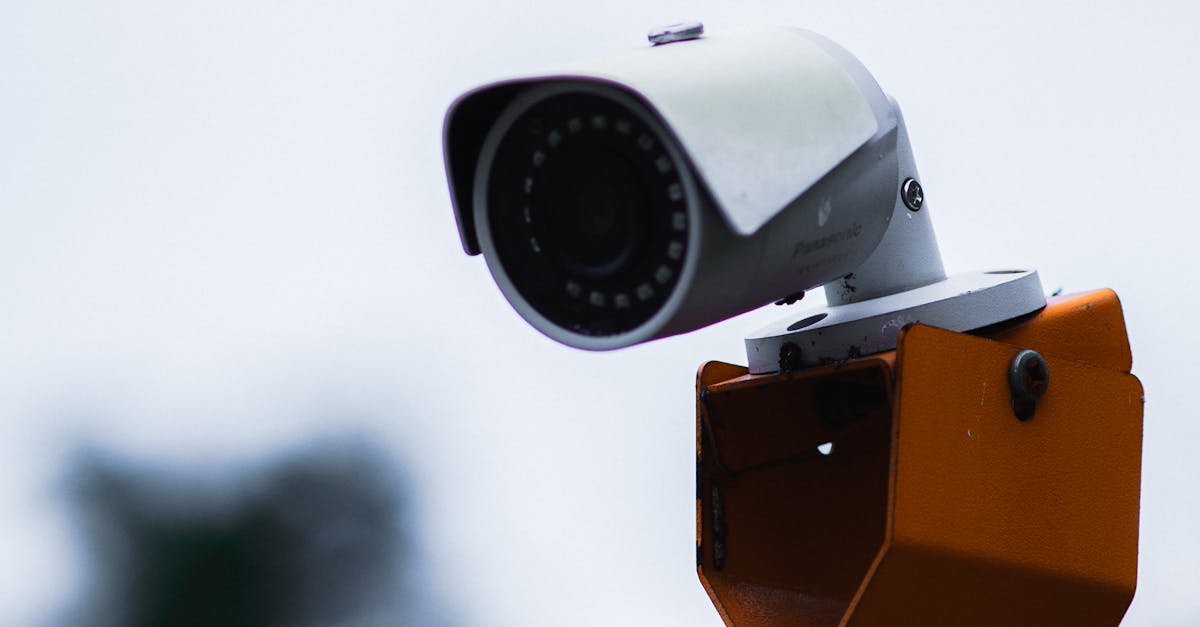
The proliferation of surveillance systems has sparked intense discussions about the balance between security and individual privacy. In urban centres like Sydney, these technologies often serve as tools for law enforcement and public safety initiatives. However, the presence of cameras and monitoring systems raises questions about the extent to which citizens are being watched. While proponents argue that these measures deter crime and enhance safety, critics point out the potential chilling effect on free expression and the risk of misuse by authorities.
Concerns about data collection practices are increasingly prominent as well. Surveillance systems frequently gather extensive amounts of data, which can lead to unintended consequences for individuals. Instances of data mishandling or breaches can expose personal information, leading to identity theft and other privacy violations. Moreover, the lack of transparent protocols regarding who accesses this data and how it is used further exacerbates the anxiety surrounding surveillance. As technology continues to advance, finding a middle ground between utilising these systems for public safety and safeguarding individual rights remains a complex challenge.
International Perspectives on Privacy Laws
Different countries have adopted varying approaches to privacy laws, reflecting their unique cultural, legal, and political contexts. In the European Union, the General Data Protection Regulation (GDPR) established stringent guidelines for how personal data is collected, processed, and stored. This legislation emphasizes user consent and grants individuals significant rights over their personal information. Countries like Canada have also enacted comprehensive privacy frameworks, promoting transparency and accountability among organizations handling sensitive data.
In contrast, approaches in the United States are often characterised by a patchwork of federal, state, and industry-specific regulations rather than a single cohesive framework. While some states, such as California, have implemented robust privacy laws like the California Consumer Privacy Act (CCPA), others rely on sector-specific regulations. This disparity creates a complex environment for both consumers and companies navigating privacy rights and public safety. Emerging markets are beginning to develop their privacy legislation, balancing the needs for growth with the protection of individual data rights.
How Other Countries Approach the Balance
Different nations navigate the interplay between privacy rights and public safety in diverse ways. The European Union has established robust data protection regulations through the General Data Protection Regulation (GDPR), prioritising individual privacy while also acknowledging law enforcement needs. In contrast, the United States adopts a more fragmented approach, with varying laws at federal and state levels. Concerns about terrorism and crime often lead to greater surveillance measures, raising debates about the extent of government reach into personal data.
Countries such as Canada and New Zealand are also grappling with similar issues, seeking to implement frameworks that secure individual privacy without compromising public safety. Canada’s Personal Information Protection and Electronic Documents Act (PIPEDA) highlights consent and transparency, aiming to maintain public trust while allowing for necessary exceptions in law enforcement scenarios. Meanwhile, New Zealand's Privacy Act mandates agencies to respect privacy rights but permits certain information disclosure for security purposes, thus attempting to find a middle ground amid competing pressures.
FAQS
What are privacy rights, and why are they important?
Privacy rights are legal entitlements that protect individuals from unwarranted intrusion into their personal lives and information. They are important because they safeguard personal autonomy, dignity, and freedom from surveillance or data misuse.
How have data breaches impacted individuals in Sydney?
Data breaches can lead to identity theft, financial loss, and emotional distress for individuals. In Sydney, affected individuals often experience a loss of trust in institutions and concerns about their personal information being misused.
What role does technology play in the debate on privacy rights and public safety?
Technology plays a dual role; it can enhance privacy protections through encryption and secure data practices, while also raising concerns with surveillance systems that monitor public spaces, potentially infringing on individual privacy.
Are there specific surveillance systems in Sydney that raise privacy concerns?
Yes, Sydney has implemented various surveillance systems, including CCTV cameras and facial recognition technology, which have sparked debates about their effectiveness for public safety versus the potential for privacy violations.
How do privacy laws in Sydney compare to those in other countries?
Privacy laws in Sydney are influenced by both Australian legislation and international standards. Compared to other countries, Australia has a unique approach that balances privacy rights with public safety needs, but there are ongoing discussions about enhancing protections to align more closely with global best practices.
Related Links
Exploring Community Sentiment Towards CCTV in Public SpacesThe Impact of Public Attitudes on Surveillance Legislation in Sydney
Analyzing the Public’s Concerns Over Surveillance Transparency in Sydney
Perceptions of Effectiveness: Do Sydney-siders Believe Surveillance Reduces Crime?
The Role of Public Consultation in Shaping Surveillance Policies in Sydney
Trust in Government: How Surveillance Legislation Shapes Public Opinion
Fear or Security? Understanding Sydney's Response to Surveillance Laws
The Effect of Media Representation on Public Perception of Surveillance
How Sydney Residents View the Rise of Surveillance Measures