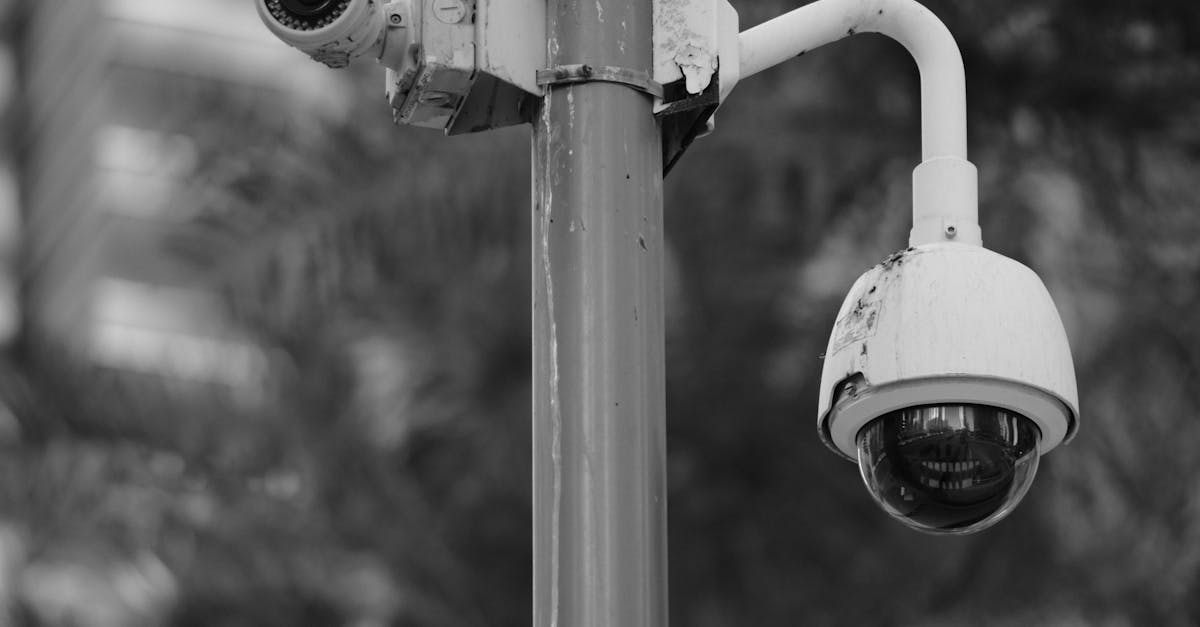
How Sydney Residents View the Rise of Surveillance Measures
Table Of Contents
The Role of Government Policies
Government policies play a significant role in shaping the landscape of surveillance measures within Sydney. Various legislative frameworks have been introduced to regulate the use of surveillance technology, often citing public safety and crime prevention as key motivators. These policies establish guidelines for the deployment of surveillance systems in public spaces, ensuring accountability and transparency in their implementation. As these frameworks evolve, they reflect the shifting dynamics in public opinion and technological advancement, highlighting the delicate balance between safety and privacy.
The response of local authorities to emerging threats has led to an expansion of surveillance practices, particularly in urban centres. Policies are often influenced by high-profile incidents that raise concerns about security, prompting government bodies to take swift action. This trend has fostered ongoing debates surrounding civil liberties and the potential risks associated with increased monitoring. As these discussions unfold, the role of government in managing and communicating the purpose behind surveillance initiatives remains crucial in fostering trust among residents.
Legislative Frameworks Supporting Surveillance
In Australia, the legal landscape governing surveillance practices encompasses various statutes and regulations designed to balance public safety with individual privacy rights. The Privacy Act 1988 plays a crucial role in shaping how personal data is collected, stored, and used by organisations, including government agencies. Furthermore, specific legislation such as the Telecommunications (Interception and Access) Act 1979 allows law enforcement agencies to monitor communications under strict conditions. This framework provides a structured approach to surveillance while aiming to protect citizens' rights.
Recent amendments aimed at strengthening national security have sparked debates around the limits of surveillance. Legislation like the Assistance and Access Act 2018 facilitates greater access to encrypted communications, raising concerns among civil liberties advocates about potential overreach. As the government continues to adapt its policies in response to emerging threats, discussions around these frameworks highlight the ongoing tension between securing public safety and safeguarding individual freedoms.
Public Awareness and Education
The evolution of surveillance measures has sparked a need for greater public understanding. Residents often possess limited knowledge about how these systems operate and their implications for privacy. Various community organisations and advocacy groups have stepped up efforts to demystify surveillance practices. They aim to provide accessible information through workshops, online resources, and public forums. Such initiatives help individuals grasp the balance between security and personal freedom, allowing for informed discussions around these measures.
Education plays a pivotal role in shaping opinions about surveillance. Schools and universities are increasingly incorporating discussions about privacy and technology into their curricula. By engaging students in conversations about surveillance's ethical dimensions, the younger generation can develop a more nuanced perspective. This awareness encourages critical thinking about the trade-offs between safety and civil liberties, fostering a culture of vigilance among future citizens.
Informing Citizens about Surveillance Practices
The necessity for public understanding of surveillance practices remains a crucial aspect of contemporary governance. Local authorities and community organisations often conduct workshops and seminars designed to demystify the technologies in use. Providing clear information helps residents recognise how surveillance systems operate and the implications for their privacy. Such initiatives aim to facilitate informed discussions and foster a sense of community involvement in shaping surveillance policies.
Social media has also emerged as an effective platform for disseminating information about surveillance. Local councils utilize their official accounts to share updates on surveillance initiatives and gather resident feedback. Engaging with the community through these digital channels allows for a more interactive exchange of ideas. Increased transparency in communication may lead to a more nuanced understanding of surveillance measures and their intended purposes among residents.
Media Influence on Perceptions
Media outlets play a significant role in shaping public perceptions of surveillance measures. Reports surrounding incidents of surveillance often highlight both benefits and potential risks. Coverage can sway opinions, making citizens more aware of their environments and the extent to which they are being monitored. This exposure influences not only individual attitudes but also broader community discussions regarding privacy and security.
Sensationalism in reporting may lead to heightened fears or misconceptions about surveillance systems. When the focus tends to be on the most controversial aspects, it can skew public understanding. Balanced journalism provides a comprehensive view that includes both the rationale behind surveillance and its implications for civil liberties, promoting a more rounded dialogue among residents about these measures.
Coverage of Surveillance Incidents
Media coverage of surveillance incidents significantly shapes public perception in Sydney. High-profile cases, often highlighted in news segments, reveal the extent to which surveillance measures are employed. These incidents not only draw attention to the tools used by authorities but also spark discussions regarding privacy rights and civil liberties. When the media reports on outcomes, such as successful crime prevention or failures leading to abuse, public attitudes can shift dramatically depending on the narrative presented.
The framing of these stories plays a crucial role in how residents view surveillance. Sensationalist reporting may evoke fear and mistrust towards government practices, while balanced perspectives can foster understanding and support for necessary measures. Analysis of surveillance incidents tends to focus on the implications for community safety versus individual privacy, allowing diverse opinions to emerge. This dynamic exchange creates a complex landscape where citizens grapple with the necessity and impact of surveillance in their daily lives.
FAQS
What are the main government policies related to surveillance in Sydney?
The main government policies related to surveillance in Sydney include various legislative frameworks that aim to balance public safety with individual privacy rights. These policies are designed to regulate the use of surveillance technology and ensure transparency in its application.
How do legislative frameworks support surveillance measures?
Legislative frameworks support surveillance measures by providing a legal basis for the use of technology such as CCTV and data collection. They outline the conditions under which surveillance can be conducted, aiming to protect citizens while enhancing security and crime prevention.
Is the public in Sydney aware of surveillance practices?
Yes, public awareness regarding surveillance practices in Sydney has been growing, largely due to educational initiatives and media coverage. Efforts have been made to inform residents about how surveillance measures are implemented and their implications for privacy and security.
How does media coverage influence public perception of surveillance?
Media coverage significantly influences public perception of surveillance by shaping narratives around its necessity and effectiveness. Reports on surveillance incidents can evoke fear or concern, prompting discussions about privacy rights and the balance between safety and civil liberties.
What can residents do to stay informed about surveillance measures in their area?
Residents can stay informed about surveillance measures by attending community meetings, following local news outlets, and engaging with civic organisations that focus on privacy rights. Additionally, local government websites often provide updates and resources on surveillance practices and policies.
Related Links
The Impact of Public Attitudes on Surveillance Legislation in SydneyAnalyzing the Public’s Concerns Over Surveillance Transparency in Sydney
Perceptions of Effectiveness: Do Sydney-siders Believe Surveillance Reduces Crime?
The Role of Public Consultation in Shaping Surveillance Policies in Sydney
Trust in Government: How Surveillance Legislation Shapes Public Opinion
Fear or Security? Understanding Sydney's Response to Surveillance Laws
The Effect of Media Representation on Public Perception of Surveillance
Exploring Community Sentiment Towards CCTV in Public Spaces