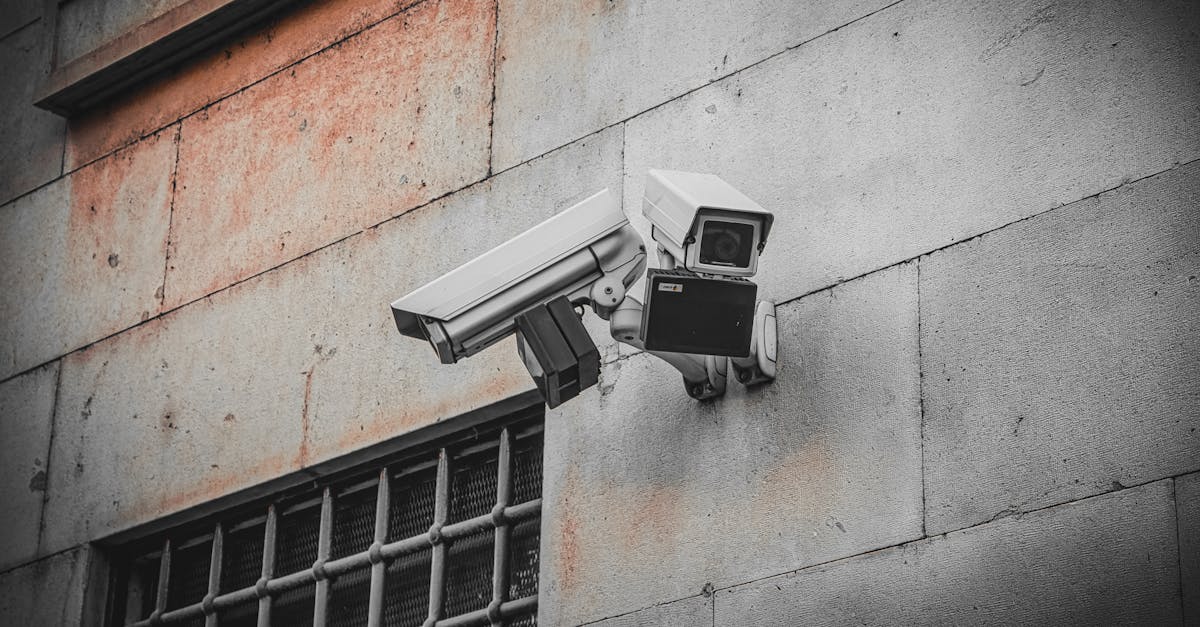
Examining the Ethical Boundaries of CCTV Usage in Public Spaces
Table Of Contents
Public Perception of CCTV
CCTV surveillance has become a prominent feature of urban life, aimed primarily at enhancing public safety. Many citizens view it as an effective tool for crime deterrence, believing that cameras contribute to a heightened sense of security in their communities. However, mixed feelings about surveillance practices also emerge, particularly concerning privacy invasion and the potential misuse of data. Public discussions often highlight the balance between safety and the fundamental rights to privacy.
Community attitudes towards CCTV can vary significantly based on factors such as demographics and local crime rates. Surveys conducted in several Australian cities reveal a diverse range of opinions, with some residents expressing strong support for surveillance measures, while others raise concerns about the ethical implications. This fragmentation in perception often stems from previous experiences with crime or a perceived lack of transparency regarding how footage is monitored and used. In many cases, individuals seek assurances that these systems benefit the community rather than serving as instruments of social control.
Surveys and Studies on Community Attitudes
Public opinion regarding the use of CCTV in public spaces reveals a complex mix of support and concern. Numerous surveys indicate that while many Australians see the benefits of enhanced safety and crime deterrence, there are significant concerns about privacy invasion. A report from the Australian Institute of Criminology highlights that urban dwellers tend to favour CCTV installation in areas perceived as high-risk. Conversely, there is a palpable unease about the extent and implications of surveillance, with calls for stricter regulations to protect personal privacy.
Research has also shown variations in community attitudes based on geographic and demographic factors. In metropolitan areas, for instance, residents may express greater acceptance of CCTV, perceiving it as a necessary measure for public safety. In contrast, smaller communities often voice stronger objections, emphasising the importance of individual privacy over potential safety benefits. These differing perspectives underline the need for ongoing dialogue about the balance between security and personal freedoms in the context of surveillance technologies.
Case Studies
Different cities across Australia have implemented Closed-Circuit Television systems with varying degrees of success in crime reduction. In Sydney's CBD, for instance, studies have shown a noticeable decrease in anti-social behaviour since the introduction of extensive surveillance networks. Police reports cite a significant drop in public disturbances, suggesting that the presence of cameras acts as a deterrent for potential offenders. However, some critiques point to the need for a balanced approach, arguing that the reduction in crime could be attributed to other factors, such as increased law enforcement visibility and community outreach programs.
In contrast, a study in Melbourne investigated the effects of CCTV in high-crime neighbourhoods and uncovered mixed results. While certain areas experienced a reduction in property crime, other locations saw little to no impact on violent offences. Residents expressed divided opinions on the effectiveness of the surveillance systems, reflecting a complex relationship between perceived safety and feelings of being constantly monitored. This case underscores the necessity of evaluating both quantitative crime statistics and qualitative community sentiment to fully understand the implications of CCTV usage.
Analysing Evidence from Various Australian Cities
Cities across Australia have implemented closed-circuit television systems aimed at reducing crime and increasing public safety. Research conducted in metropolitan areas indicates mixed results regarding the effectiveness of these surveillance systems. In some instances, data shows a significant drop in certain types of crime, such as vandalism and theft, mainly in locations with high foot traffic. However, in other cases, the presence of CCTV has not led to notable changes in crime statistics, raising questions about its overall efficacy.
Further analysis reveals variations in public perception regarding CCTV in different regions. Communities with a higher density of surveillance technology often express concerns over privacy and potential misuse. Contrastingly, areas witnessing a decrease in crime rates seem more accepting of surveillance systems, viewing them as a necessary deterrent. The disparity in outcomes and public sentiment underscores the complex interplay of technology, community values, and law enforcement objectives in the realm of public safety.
Technological Advancements in Surveillance
Modern surveillance systems have experienced significant changes with the integration of advanced technologies. High-definition cameras provide clearer images, allowing for greater detail in monitoring activities. Additionally, networked systems enable real-time data transmission, granting law enforcement agencies immediate access to surveillance footage. This connectivity facilitates quicker responses to incidents while expanding the range of monitored areas.
AI has emerged as a crucial component in enhancing surveillance capabilities. Algorithms can analyse vast amounts of data, identifying patterns and suspicious behaviour with remarkable accuracy. Facial recognition technology aids in the rapid identification of individuals in crowded places, potentially increasing public safety. These advancements create a more efficient surveillance environment but also raise questions about privacy and the potential for misuse.
The Role of AI and Facial Recognition
The integration of artificial intelligence in surveillance systems enhances the capabilities of CCTV technology significantly. Facial recognition software can analyse vast amounts of data rapidly, identifying individuals in crowded environments or tracking their movements across multiple cameras. This technology can assist law enforcement by providing real-time alerts when a person of interest is detected. Concerns arise regarding privacy and the potential for wrongful identification, leading to calls for strict guidelines governing its deployment in public settings.
Furthermore, the accuracy and reliability of AI-driven surveillance hinge on the quality of the underlying algorithms and databases. Issues such as bias in data or inadequate training can result in disproportionate targeting of specific demographic groups. As these technologies become more prevalent, the need for transparency in their operation and accountability for their consequences becomes paramount. Balancing the potential benefits of enhanced security with the protection of individual rights is an ongoing ethical challenge in public surveillance discussions.
FAQS
What is the primary purpose of CCTV in public spaces?
The primary purpose of CCTV in public spaces is to enhance public safety, deter crime, and assist law enforcement in monitoring and responding to incidents.
How do community attitudes towards CCTV vary?
Community attitudes towards CCTV can vary significantly based on factors such as perceived effectiveness in crime reduction, concerns about privacy, and the overall trust in local authorities. Surveys often reveal a mix of support and opposition.
Are there any documented impacts of CCTV on crime rates?
Yes, various case studies, particularly in Australian cities, have shown that CCTV can lead to a reduction in certain types of crime, although the extent of its effectiveness can differ based on location and how the system is implemented.
What role does technology play in modern surveillance systems?
Technological advancements, including artificial intelligence and facial recognition, have significantly improved the capabilities of surveillance systems, enabling more efficient monitoring and data analysis while also raising ethical concerns about privacy and consent.
What are the ethical concerns associated with CCTV usage?
Ethical concerns surrounding CCTV usage include issues of privacy invasion, consent from individuals being recorded, potential misuse of footage, and the balance between security and personal freedoms. These concerns highlight the need for clear regulations and guidelines.
Related Links
The Moral Responsibility of Government in Surveillance ImplementationBalancing Security and Personal Freedoms in Sydney's Surveillance Debate
Transparency in Surveillance Practices: A Necessary Ethical Standard
Ethical Considerations in the Use of Facial Recognition Technology
The Role of Consent in Public Surveillance Ethics
Assessing the Impact of Surveillance on Marginalised Communities