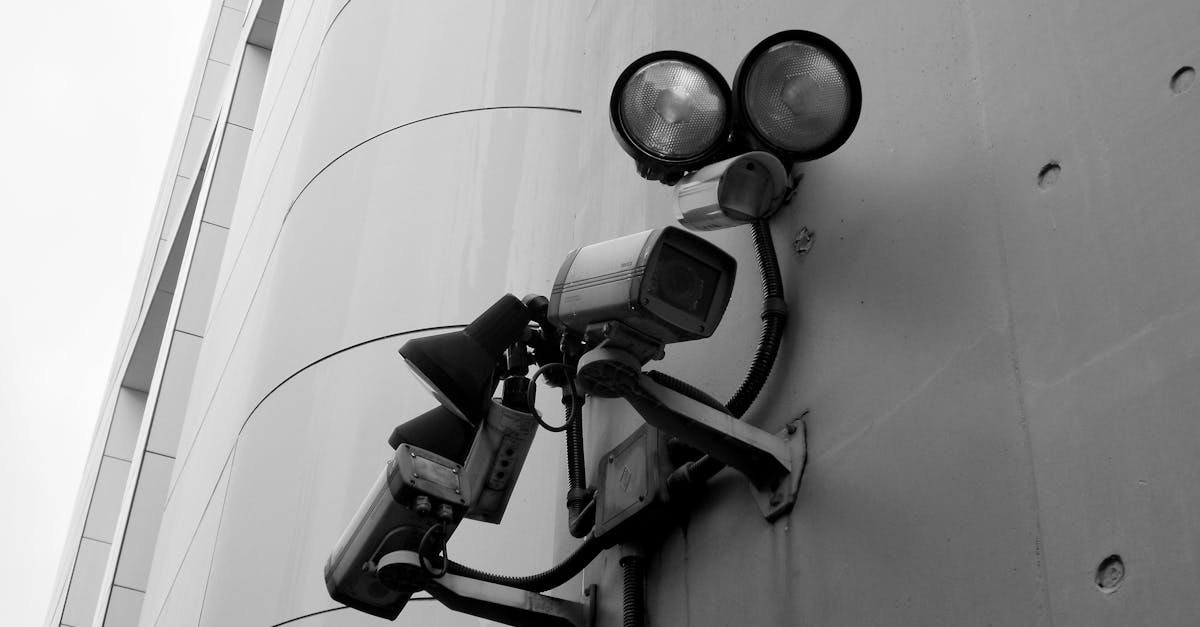
Ethical Considerations in the Use of Facial Recognition Technology
Table Of Contents
Security vs. Privacy
The increasing deployment of facial recognition technology has sparked a significant debate regarding its impact on privacy. Proponents argue that such systems enhance public safety and assist law enforcement in tracking down suspects and preventing crime. Critics, however, raise concerns about the potential for misuse and the erosion of civil liberties. The delicate balance between individual privacy rights and the collective security of communities remains a contentious issue that demands thorough examination.
Public sentiment reflects a growing unease about how facial recognition can infringe upon personal freedoms. Many individuals feel that constant surveillance alters societal behaviour and fosters a culture of distrust. This tension between the perceived benefits of security measures and the rights to privacy underlines the necessity for comprehensive discussions about the ethical implications of adopting such technology on a broader scale.
Balancing National Security and Personal Freedoms
Governments frequently justify the use of facial recognition technology in the name of national security, arguing that it enhances safety and aids in the prevention of crime and terrorism. Proponents highlight its potential to quickly identify suspects in public spaces, contributing to faster law enforcement responses. This perspective often leads to increased surveillance measures, which can raise significant ethical concerns about individual rights and freedoms.
On the other hand, personal freedoms can be compromised when surveillance becomes pervasive. Citizens may feel their privacy is invaded without their consent or knowledge, fostering an atmosphere of mistrust between the public and authorities. Striking a balance between ensuring public safety and preserving individual liberties has become a complex challenge for policymakers, prompting a need for clear guidelines and regulations that respect personal privacy while addressing security concerns.
Transparency and Accountability
The implementation of facial recognition technology raises critical questions about the need for transparency and accountability in its use. Agencies employing this technology often operate in a grey area where guidelines may not be clearly defined. Public trust diminishes in environments lacking accountability. Establishing clear procedures for the deployment of these technologies can foster a sense of security while ensuring individuals understand their rights and the operations of surveillance systems.
Organisations must prioritise the development of robust policies to govern the use of facial recognition technology. These policies should include specific provisions for data protection, access control, and the duration for which data can be stored. Engaging with stakeholders, including the public and civil rights groups, can help create frameworks that consider diverse perspectives. Transparency about how facial recognition data is collected, used, and safeguarded is crucial for building a responsible and ethical approach to its implementation.
Importance of Clear Policies
Clear policies surrounding facial recognition technology are essential to mitigate risks associated with its use. Without these guidelines, there is potential for misuse and violation of privacy rights. Policy frameworks should outline the parameters within which the technology operates, including limitations on data collection and storage. This clarity helps ensure that organisations employing facial recognition systems maintain ethical standards while working to safeguard public safety.
Moreover, transparent policies can bolster public trust in the technology. When citizens know their rights and the regulations governing facial recognition use, they are more likely to support its implementation. Clear communication about how data will be collected, used, and protected can also alleviate concerns regarding surveillance and discrimination. Establishing strong policies reflects a commitment to ethical practices and fosters accountability among those who develop and deploy the technology.
Public Opinion on Facial Recognition Technology
Public sentiment surrounding facial recognition technology reveals a mixed tapestry of opinions. Many individuals express concern over privacy implications linked to its widespread use, often fearing potential misuse by authorities and corporations. Yet, a segment of the population acknowledges its benefits, particularly in enhancing security measures and aiding law enforcement. This divergence underscores a growing awareness and scrutiny of how technology intersects with everyday life.
Surveys indicate that opinions can shift based on specific contexts and applications. For instance, respondents often show higher acceptance when facial recognition is framed as a tool for public safety in high-risk areas. Conversely, apprehension escalates when considering its implementation in everyday settings, such as retail environments or public transport. As discussions evolve, the role of education and technological literacy becomes crucial in shaping a more informed and balanced perspective among the general public.
Surveys and Sentiment Analysis
Public opinion on facial recognition technology has evolved significantly over recent years. Various surveys indicate a growing awareness of the potential implications associated with its use. Many people express concerns regarding privacy infringement and the chilling effect surveillance may have on individual freedoms. Others acknowledge its effectiveness in crime prevention and public safety. This dichotomy illustrates the complexity of public sentiment, reflecting the balancing act between the perceived benefits and drawbacks of such technology.
Sentiment analysis further sheds light on the nuances of these opinions. By examining social media discussions, news articles, and online forums, researchers have identified patterns in how different demographics view facial recognition. Younger individuals tend to be more accepting of the technology, while older generations often voice stronger reservations. This divergence suggests that age, education, and personal experiences play crucial roles in shaping attitudes. Understanding these perspectives can inform policymakers as they navigate the ethical landscape of implementing facial recognition in various contexts.
FAQS
What are the main ethical concerns surrounding facial recognition technology?
The primary ethical concerns include issues related to privacy invasion, potential misuse by authorities, discrimination and bias in algorithms, and the lack of transparency in how the technology is used and regulated.
How does facial recognition technology impact personal freedoms?
Facial recognition technology can infringe on personal freedoms by enabling mass surveillance, which may lead to a chilling effect on free expression and the right to privacy, as individuals may feel they are constantly monitored.
What role does public opinion play in the regulation of facial recognition technology?
Public opinion is crucial in shaping policies and regulations surrounding facial recognition technology. Surveys and sentiment analysis can provide insights into how the public feels about its use, which can influence government decisions and the implementation of ethical guidelines.
Why is transparency important in the use of facial recognition technology?
Transparency is essential to build trust between the public and the entities using facial recognition technology. Clear policies and guidelines ensure accountability, allowing individuals to understand how their data is collected, used, and protected.
What measures can be taken to ensure ethical use of facial recognition technology?
Measures include implementing strict regulations, developing clear usage policies, ensuring transparency in data handling, conducting regular bias assessments, and involving diverse stakeholders in decision-making processes to address ethical concerns.
Related Links
Transparency in Surveillance Practices: A Necessary Ethical StandardThe Role of Consent in Public Surveillance Ethics
Assessing the Impact of Surveillance on Marginalised Communities
Ethical Challenges in the Deployment of Drone Surveillance
Surveillance Policies vs. Individual Rights: A Sydney Perspective
Public Trust and the Ethics of Data Collection in Sydney
The Moral Responsibility of Government in Surveillance Implementation