Understanding the Functionality of Access Control Systems
Table Of Contents
Common Technologies Used in Access Control
Access control systems have evolved significantly, utilising various technologies to ensure secure entry management. RFID (Radio Frequency Identification) is widely implemented, allowing for seamless access through the use of cards or tags that communicate wirelessly with a reader. This technology offers convenience and efficiency, enabling quick entry for authorised personnel while tracking movements within the premises.
Biometrics has gained popularity due to its high level of security. Fingerprint, facial recognition, and iris scanning technologies are examples of how biometric systems authenticate individuals based on unique physical characteristics. Card readers also remain prevalent in many access control setups, providing a straightforward method for granting access via key cards or fobs, ensuring that only individuals with the correct credentials can enter restricted areas.
RFID, Biometrics, and Card Readers
Access control systems utilise various technologies to enhance security and streamline access management. Radio Frequency Identification (RFID) is a prevalent choice, relying on tags and readers to allow or restrict access based on proximity. RFID is often favoured for its convenience and speed, making it suitable for environments with high traffic. Card readers represent another common solution, requiring users to present physical identification cards that are scanned for authentication. These devices can be standalone or integrated with more complex systems.
Biometric technology adds a layer of security that is gaining popularity in access control. This method identifies individuals based on unique physical characteristics such as fingerprints, facial recognition, or iris patterns. The appeal of biometrics lies in its ability to offer a high level of assurance, ensuring that access is granted only to authorised personnel. While each technology has its merits, choosing the right combination will depend on specific security needs, user convenience, and potential integration with existing systems.
Integrating Access Control with Other Security Measures
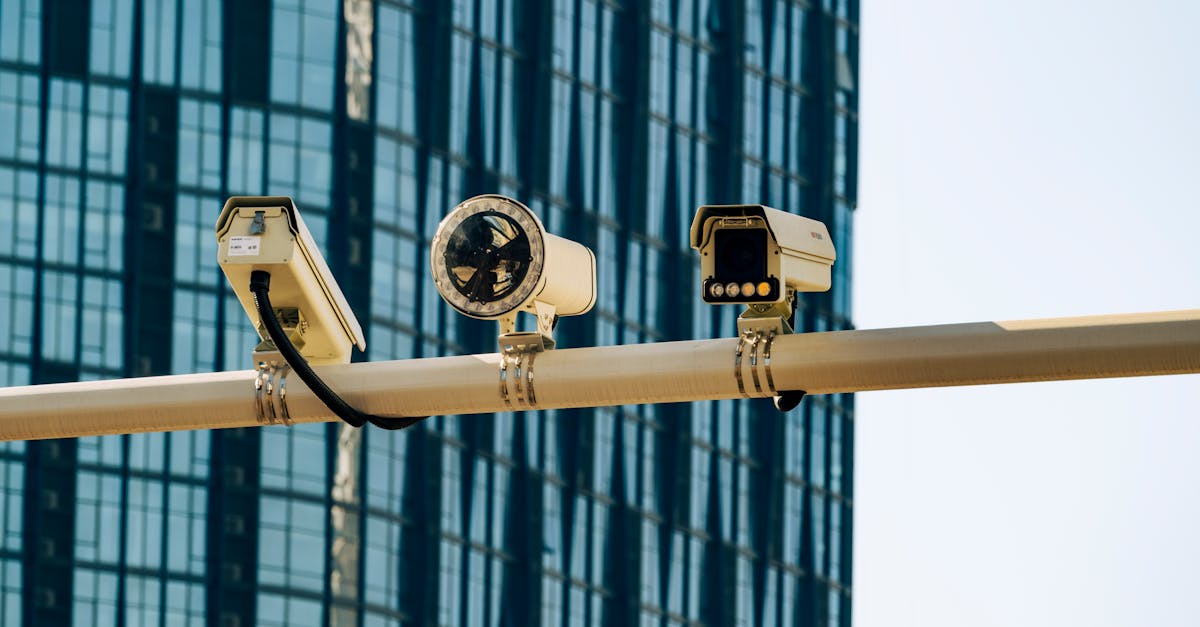
The integration of access control systems with other security measures enhances overall safety and effectiveness. Surveillance cameras provide visual verification of access points, allowing real-time monitoring of individuals entering and exiting secured areas. When these two systems work together, organisations can respond rapidly to security breaches while maintaining detailed logs and footage for future reference. Alarms can be programmed to trigger under specific circumstances, such as when unauthorised access is attempted, adding another layer of protection.
Moreover, integrating access control with environmental controls, such as lighting and HVAC systems, not only improves security but also optimises energy efficiency. For example, lights can automatically activate when a person with authorised access enters a facility while remaining off in unoccupied areas. This synchronisation promotes safety, reduces energy costs, and creates a seamless experience for users. Effective integration of diverse security measures is vital for modern organisations aiming to protect their assets and personnel efficiently.
Synergy with Surveillance and Alarm Systems
Integrating access control systems with surveillance and alarm systems creates a comprehensive layer of security. This combination allows for real-time monitoring of access points, ensuring a swift response to any security breaches. Surveillance cameras can capture visual evidence, while access control logs provide a trail of who accessed secured areas. The synchronisation of these systems empowers security personnel with a more holistic view of the facility’s activity.
Alarm systems can enhance the functionality of access control by triggering alerts when unauthorised access is detected. When a door is forced open or a badge is presented after hours, alarms can sound, notifying security teams immediately. This collaboration between technologies not only deters potential intruders but also reduces response times in critical situations. The result is an environment that is proactively secured against potential threats.
Challenges in Access Control System Management
Managing access control systems presents numerous challenges for organisations. One major issue is the complexity of integration with existing security infrastructures. As companies often use various systems from different providers, compatibility problems can emerge. This results in difficulties in achieving a cohesive security strategy. Furthermore, keeping software and hardware updated poses another hurdle. Outdated systems can lead to vulnerabilities, leaving organisations exposed to breaches.
Another challenge arises from user management. As staff turnover occurs, administrators must frequently update access permissions. Mistakes in managing these permissions can either restrict legitimate access or inadvertently allow unauthorised entry. Training personnel on proper usage of access control systems is essential. However, time and resources devoted to this training can be considerable, especially for larger organisations. Balancing security with user convenience remains a constant struggle in maintaining effective access control.
Common Issues and Troubleshooting
Access control systems, while essential for security, can encounter various challenges over time. One frequent issue is hardware malfunctions, often stemming from wiring problems or power failures. Users might experience equipment not responding as expected, such as card readers failing to recognise credentials or doors not unlocking. Regular maintenance and prompt repairs are essential to avoid prolonged downtime.
Software glitches may also present hurdles, leading to difficulties in managing user permissions or accessing system logs. These problems can arise due to outdated software versions or compatibility issues with new hardware. Keeping software updated along with a comprehensive troubleshooting guide can mitigate these concerns, ensuring smoother operation and enhanced security overall.
FAQS
What are the main technologies used in access control systems?
The main technologies used in access control systems include RFID, biometrics, and card readers. These technologies help identify and authenticate individuals before granting them access.
How do RFID access control systems work?
RFID access control systems work by using radio-frequency identification technology to read data from RFID tags or cards. When a card is presented near a reader, it transmits its unique identifier to the system for verification.
Can access control systems be integrated with other security measures?
Yes, access control systems can be integrated with other security measures such as surveillance cameras and alarm systems. This integration creates a comprehensive security solution that enhances protection and monitoring.
What are some common challenges faced in managing access control systems?
Common challenges in managing access control systems include issues with hardware malfunctions, software glitches, and difficulties in user access management. Addressing these problems promptly is crucial for maintaining effective security.
How can users troubleshoot issues with access control systems?
Users can troubleshoot access control systems by checking power supplies, ensuring that devices are properly connected, and verifying that user credentials are up-to-date. Reviewing system logs can also help identify specific issues.
Related Links
Analyzing the Benefits of Monitoring Services in Private PropertiesOverview of Personal Security Apps for Sydney Residents
A Guide to Professional vs DIY Security Installations
Exploring Mobile Security Units for Event Protection
Best Practices for Residential Security Fencing in Sydney
Evaluating the Use of Drones in Private Security Operations
Comparing Wireless vs Wired Security Cameras for Sydney Homes
The Role of Smart Home Security in Sydney