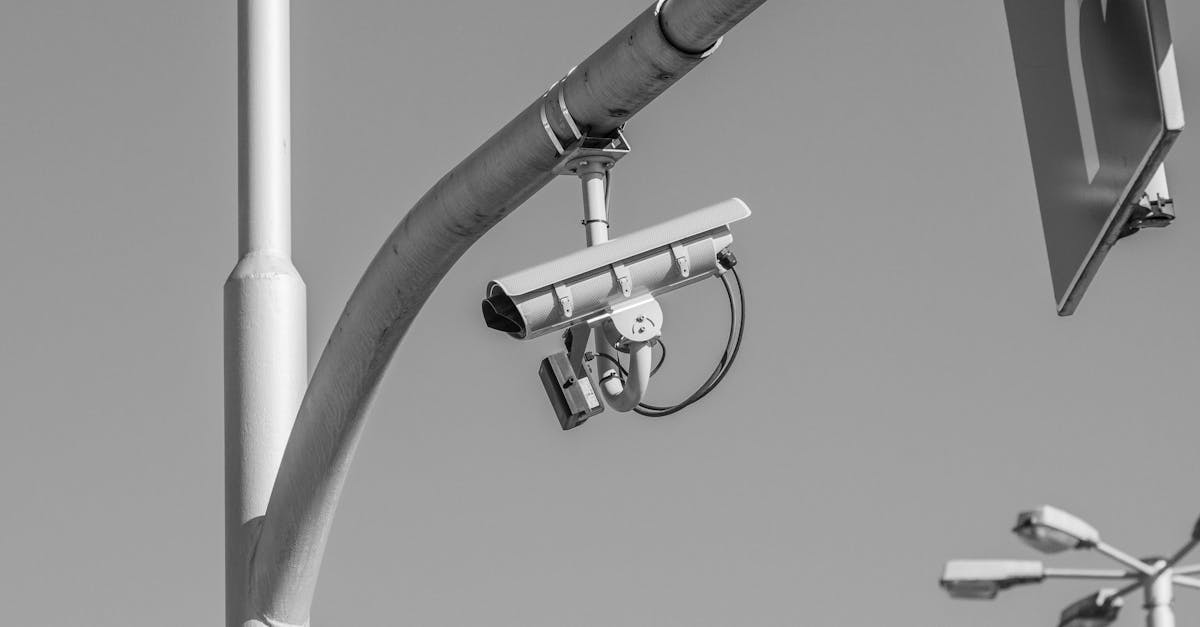
Evaluating the Effectiveness of CCTV Monitoring in Reducing Anti-Social Behaviour
Table Of Contents
Effectiveness of CCTV in Reducing Anti-Social Behaviour
The presence of CCTV cameras in public spaces has been associated with a noticeable decline in instances of anti-social behaviour. Studies conducted in various urban environments indicate that the mere sight of surveillance can deter potential offenders. Research suggests that areas equipped with CCTV often experience a drop in incidents such as vandalism, graffiti, and disruptive gatherings, leading to enhanced feelings of safety among the local population.
Moreover, the effectiveness of CCTV in promoting public order might be enhanced when combined with active monitoring. When law enforcement is able to respond in real time to incidents captured on camera, the chances of apprehending offenders increase significantly. This proactive approach not only deters potential criminals but also fosters a stronger sense of community safety, reinforcing the value of these monitoring systems in urban management.
Statistical Analysis of Behavioural Changes
In recent years, numerous studies have sought to quantify the impact of CCTV monitoring on anti-social behaviour. Statistics from urban centres implementing extensive surveillance systems show a noticeable decline in incidents such as vandalism and public disorder. For example, areas equipped with CCTV have reported up to a 30% reduction in such activities. Analysis of pre- and post-installation data highlights a clear correlation between heightened surveillance and improved community safety metrics.
Furthermore, the behavioural response of the public to visible CCTV cameras cannot be overlooked. Research suggests that the mere presence of surveillance equipment acts as a deterrent, leading individuals to modify their actions when they know they are being monitored. Surveys conducted in various communities indicate an increase in residents' perceptions of safety in areas where CCTV systems were deployed. This shift in behaviour underscores the psychological impact of surveillance, which complements statistical reductions in actual anti-social incidents.
Limitations of CCTV Monitoring
While CCTV monitoring has been widely regarded as a tool for enhancing public safety, it does come with significant limitations. The effectiveness of cameras can be hampered by factors such as poor lighting conditions, camera placement, and technological flaws. In many cases, CCTV systems capture footage that is too grainy or unclear to be useful in identifying individuals or corroborating incidents. This can lead to a false sense of security among the public and law enforcement, as footage that may seem promising can sometimes fail to provide conclusive evidence.
Moreover, privacy concerns present a significant challenge surrounding CCTV usage. The presence of cameras in public spaces raises ethical questions regarding surveillance and the potential for misuse of footage. Many individuals feel uncomfortable being monitored constantly, which can lead to distrust in local authorities. Additionally, relying solely on video surveillance may cause a reduction in police presence or community engagement, as agencies may prioritise the technology over proactive policing strategies.
Common Challenges Faced by Law Enforcement
Law enforcement agencies encounter various obstacles when implementing CCTV monitoring systems. One primary challenge is the sheer volume of footage captured. Officers must efficiently sift through hours of video to identify relevant incidents, which can strain resources and productivity. Additionally, many cameras may be situated in locations with poor visibility or inadequate lighting, which diminishes their effectiveness in capturing clear images.
Another significant hurdle is the reliance on public cooperation. Often, witnesses may be hesitant to come forward or report incidents due to fear of retribution or apathy. This lack of engagement can hinder investigations, making it difficult for law enforcement to gather comprehensive evidence. Furthermore, the effectiveness of CCTV can be compromised by privacy concerns. Balancing community safety with individual rights presents an ongoing debate within the scope of surveillance initiatives.
Technological Advancements in CCTV
Recent developments in CCTV technology have significantly enhanced the capabilities of surveillance systems. High-definition cameras now offer improved clarity and detail, allowing for better recognition of individuals and incidents. Integration with advanced analytics enables these systems to identify patterns of behaviour, helping to preemptively address potential anti-social activities. Features such as facial recognition and motion detection further augment the effectiveness of surveillance operations, making it easier for law enforcement to monitor public spaces.
Cloud storage solutions have also transformed how footage is archived and accessed. This shift permits remote viewing and analytics, offering law enforcement quick access to vital information during incidents. Additionally, the rise of smart CCTV systems, which utilise artificial intelligence, allows for real-time analysis and automatic alerting to suspicious behaviours. These innovations have increased the overall efficiency of surveillance efforts, thereby ensuring a more proactive approach to crime prevention in urban environments.
Innovations Enhancing Surveillance Capability
Recent advancements in artificial intelligence have dramatically improved the capabilities of surveillance systems. Smart cameras equipped with facial recognition technology enable real-time identification of individuals, which can assist in proactive law enforcement. Enhanced video analytics now allow for automatic detection of suspicious behaviours, alerting authorities to potential incidents before they escalate. These innovations not only streamline incident response but also enhance the overall efficiency of surveillance operations.
Integration of Internet of Things (IoT) devices has further broadened the scope of monitoring capabilities. Sensors can now be connected to surveillance systems, providing comprehensive data on environmental conditions and human activity. This connectivity fosters a more holistic approach to public safety, enabling a coordinated response to incidents. Moreover, cloud storage solutions support vast amounts of data, facilitating long-term analysis and enhancing the ability to assess patterns in anti-social behaviour.
FAQS
How effective is CCTV in reducing anti-social behaviour?
CCTV has been shown to reduce anti-social behaviour in certain environments, particularly in high-crime areas. However, the effectiveness can vary based on factors such as the visibility of cameras, location, and community engagement.
What statistical analyses are used to measure behavioural changes related to CCTV monitoring?
Common statistical analyses include pre-and post-installation crime rate comparisons, surveys of community perceptions, and studies that assess changes in specific types of anti-social behaviour before and after CCTV systems are implemented.
What are some limitations of CCTV monitoring in addressing anti-social behaviour?
Limitations include potential privacy concerns, the possibility of cameras being vandalised or not functioning properly, and the fact that CCTV may not deter all types of anti-social behaviour, especially those that occur in private spaces.
What challenges do law enforcement agencies face with CCTV monitoring?
Law enforcement faces challenges such as managing large volumes of footage, ensuring proper maintenance of equipment, interpreting data accurately, and dealing with community concerns regarding surveillance and privacy.
How are technological advancements enhancing CCTV surveillance capability?
Technological advancements such as high-definition cameras, facial recognition software, motion detection, and integration with artificial intelligence are enhancing CCTV capabilities, making it easier to monitor and analyse behaviour patterns effectively.
Related Links
Understanding the Technology Behind Public CCTV Systems in SydneyThe Role of CCTV in Enhancing Public Safety in Sydney
Legal Framework Governing CCTV Usage in Sydney
Challenges in Maintaining Coverage of CCTV Systems in Sydney
Best Practices for Implementing CCTV in High-Traffic Areas
The Evolution of CCTV Systems in Sydney's Public Spaces
How CCTV Monitoring Shapes Crime Prevention Strategies in Sydney
Public Attitudes Towards CCTV Surveillance in Urban Areas