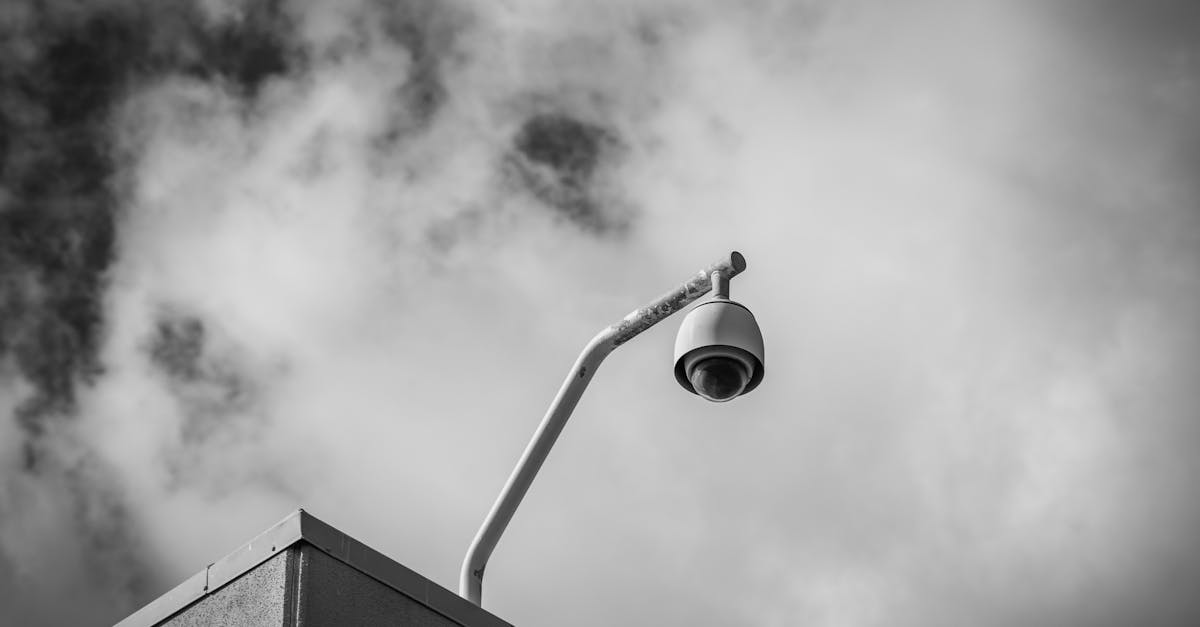
Analyzing the Impact of Surveillance on Personal Privacy Expectations
Table Of Contents
Comparative Analysis of Surveillance in Different Countries
Surveillance practices vary significantly across nations, influenced by cultural attitudes towards privacy and the perceived necessity of monitoring for security purposes. In countries like China, extensive surveillance measures are employed, with the government utilizing sophisticated technologies to monitor citizens’ activities under the guise of maintaining social order. In contrast, many European nations uphold stringent privacy laws, reflecting a commitment to protecting personal data while balancing security needs.
Australia's approach to surveillance represents a middle ground, with laws that permit certain monitoring practices while also enshrining privacy rights. The Australian government has faced criticism for its increasing reliance on data collection, especially during public health crises. These differences in surveillance frameworks showcase the diverse ways nations navigate the complexities of protecting citizens while ensuring safety, revealing the intricate relationship between governance, technology, and individual rights.
Global Perspectives on Privacy Expectations
Different countries exhibit varying levels of privacy expectations, shaped by cultural, legal, and historical contexts. In Europe, strong data protection regulations, like the General Data Protection Regulation (GDPR), reflect a commitment to safeguarding personal privacy. Citizens generally enjoy a heightened awareness of their rights, leading to a more cautious attitude towards surveillance practices. In contrast, countries like the United States often prioritize national security over individual privacy, resulting in more lenient regulations that can leave individuals feeling vulnerable to excessive monitoring.
Public awareness regarding privacy expectations also varies significantly across regions. In some Asian countries, high-tech surveillance systems coexist with a pragmatic acceptance of privacy erosion in exchange for security and convenience. Citizens may perceive government monitoring as a necessary measure for societal stability. Conversely, in Scandinavian countries, there is a strong emphasis on personal autonomy and the right to privacy, prompting a more robust societal pushback against intrusive surveillance. These differences highlight the complex interplay between cultural values, security concerns, and individual rights on a global scale.
The Role of Social Media in Surveillance
Social media platforms have become instrumental in the landscape of surveillance, as they facilitate the collection of vast amounts of user-generated data. Companies leverage the information shared by users, intentionally or unintentionally, for targeted advertising, market research, and even political profiling. This data collection often occurs without users fully understanding the extent of their information being harvested and how it may be used against their privacy expectations.
Furthermore, the integration of social media into daily life prompts users to share their experiences, thoughts, and personal details, sometimes compromising their own privacy. The constant interaction and engagement create a culture of openness that contrasts sharply with traditional notions of privacy. Users often exchange their privacy for perceived social benefits, revealing a complex relationship between surveillance and personal agency within digital environments.
Data Collection and User Consent
The methods used for data collection vary significantly among platforms and applications. Users often navigate complex privacy policies while granting consent, frequently without fully understanding the implications. Many tech companies utilise intricate language and lengthy terms of service, making it challenging for the average user to comprehend their rights and how their data will be used. This lack of transparency in data collection practices raises concerns about informed consent, leading some to feel ambivalent about the information they share.
In many instances, users may not actively consent to every aspect of data collection. Default settings often favour extensive data sharing, leaving users to opt out rather than affirmatively grant permission. This approach can contribute to a false sense of security, as individuals assume they have control over their data while, in reality, they remain part of a broader surveillance ecosystem. Consequently, the intricacies of user consent can create a disconnect between personal privacy expectations and the actual practices surrounding data collection and usage.
Psychological Effects of Being Monitored
Being constantly monitored can lead to a range of psychological effects, including increased anxiety and stress. Individuals often feel a sense of vulnerability when they know they are being watched or recorded. This heightened awareness may cause them to alter their behaviour, resulting in feelings of paranoia and unease about privacy and autonomy. The omnipresence of surveillance technology can also create a culture of conformity, where individuals suppress their true selves to fit into perceived norms, further exacerbating mental distress.
Moreover, the impact of surveillance extends beyond immediate emotional reactions. Prolonged monitoring can erode trust in relationships and institutions. When individuals are aware that their actions are being scrutinised, they may begin to question the intentions of those watching them, leading to suspicion and a breakdown in social bonds. This environment fosters a sense of isolation, as people may feel they can no longer express themselves freely. The cumulative effect of these psychological pressures can have significant repercussions on personal wellbeing and societal cohesion.
Impact on Mental Wellbeing and Trust
The constant presence of surveillance can lead to increased anxiety and stress among individuals. Knowing that one’s actions and communications may be monitored creates a pervasive sense of vulnerability. This feeling often results in a reluctance to express oneself freely, fostering an environment of self-censorship. Individuals may alter their behaviours or opinions out of fear of judgement or repercussion, which can hinder personal growth and authentic interactions.
Trust in institutions becomes fragile when individuals perceive surveillance as intrusive rather than protective. This erosion of trust manifests in various ways, from disengagement with community activities to skepticism regarding governmental motives. The potential for misuse of data amplifies these concerns, leading to a sense of helplessness among individuals. Consequently, the collective mental wellbeing of society suffers, as people grapple with the implications of being constantly watched.
FAQS
What is the main focus of the article "Analyzing the Impact of Surveillance on Personal Privacy Expectations"?
The article examines how surveillance affects individuals' expectations of privacy, exploring various aspects such as the comparative analysis of surveillance practices across countries, the role of social media, and the psychological effects of being monitored.
How do different countries approach surveillance and privacy?
The article provides a comparative analysis of surveillance practices, highlighting that different countries have varying regulations and cultural attitudes towards privacy, which significantly influence personal privacy expectations.
What role does social media play in surveillance?
Social media is discussed as a major platform for data collection, where user consent and the extent of surveillance often raise concerns about personal privacy and the implications of sharing personal information online.
How does being monitored affect mental wellbeing?
The article explores the psychological effects of surveillance, indicating that constant monitoring can lead to increased anxiety, stress, and a decline in trust among individuals, impacting their overall mental wellbeing.
Are individuals aware of their privacy rights when it comes to data collection?
The article highlights that many users may not fully understand their privacy rights or the extent of data collection practices, emphasising the importance of informed consent in protecting personal privacy in a surveillance-driven world.
Related Links
Balancing Security and Privacy: Legal Perspectives on SurveillanceThe Role of Consent in Surveillance and Privacy Protection
The Evolution of Privacy Rights Amidst Growing Surveillance Measures
Case Studies on Privacy Violations in Public Surveillance
Evaluating the Effectiveness of Privacy Laws in Surveillance Practices
Legal Protections for Personal Data in Surveillance Operations
Community Reactions to Surveillance and Privacy Rights
The Intersection of Surveillance Technologies and Individual Privacy
Understanding the Framework of Privacy Rights in Sydney's Surveillance Landscape